

For Indonesian pilgrims, visiting Madinah Munawwara ziyarat is one of the most emotional and memorable parts of their Umrah or Hajj journey. Beyond offering prayers in Al-Masjid an-Nabawi, many pilgrims wish to explore the city’s ziyarat sites, where Islamic history comes alive. These sacred places remind us of the sacrifices, struggles, and victories of Islam, allowing pilgrims to strengthen their connection with faith.
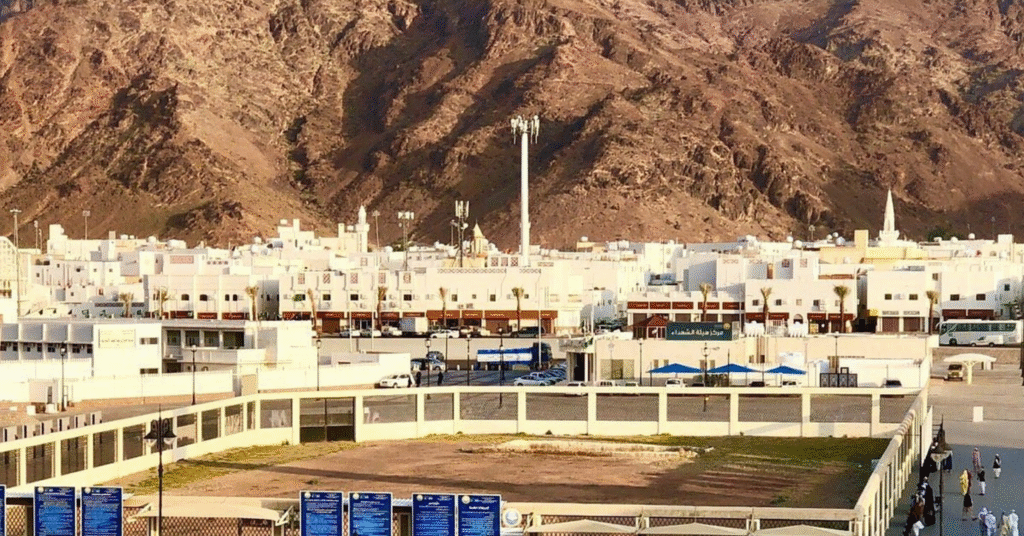
1. Jabal Uhud
Jabal Uhud is the site of the famous Battle of Uhud in 625 CE. Here, the Prophet Muhammad ﷺand his companions faced Quraysh forces in a test of endurance and faith. Many companions, including the Prophet’s beloved uncle Hamza ibn Abdul Muttalib (R.A.), were martyred and are buried in the Uhud Martyrs’ cemetery.
For Indonesian pilgrims, visiting Jabal Uhud is a deeply humbling experience. Standing by the graves of martyrs inspires reflection on sacrifice, courage, and loyalty to Islam.
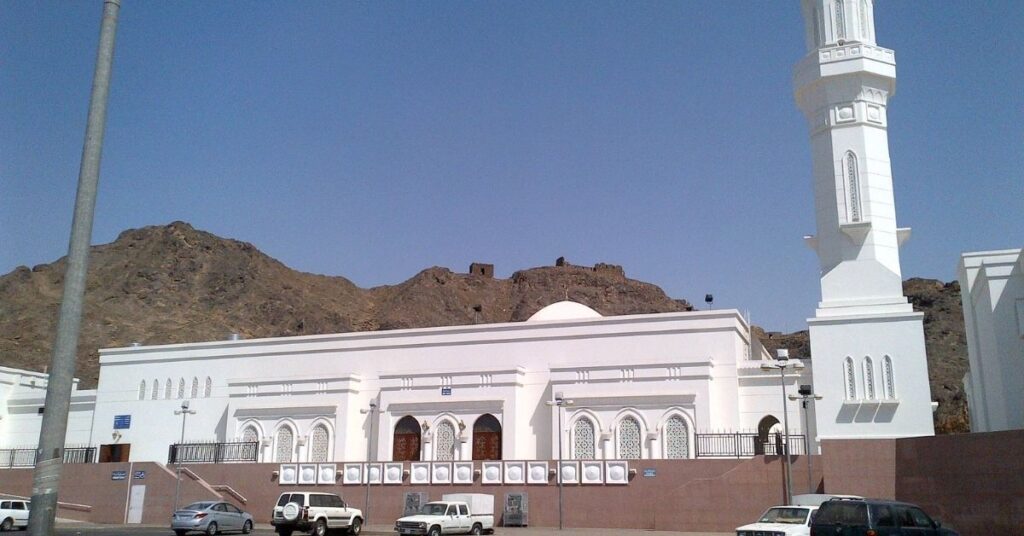
2. Saba’a Masjid (Seven Mosques)
The Seven Mosques, known as Saba’a Masjid, are small historic mosques located near the site of the Battle of the Trench. Each mosque is associated with different companions and leaders of the Muslim army, including the Prophet ﷺhimself.
Though today some of the smaller mosques no longer exist, the area remains a symbolic ziyarat site. Indonesians love visiting here because it connects them with the Prophet’s strategy, patience, and the unity of Muslims during hardship.
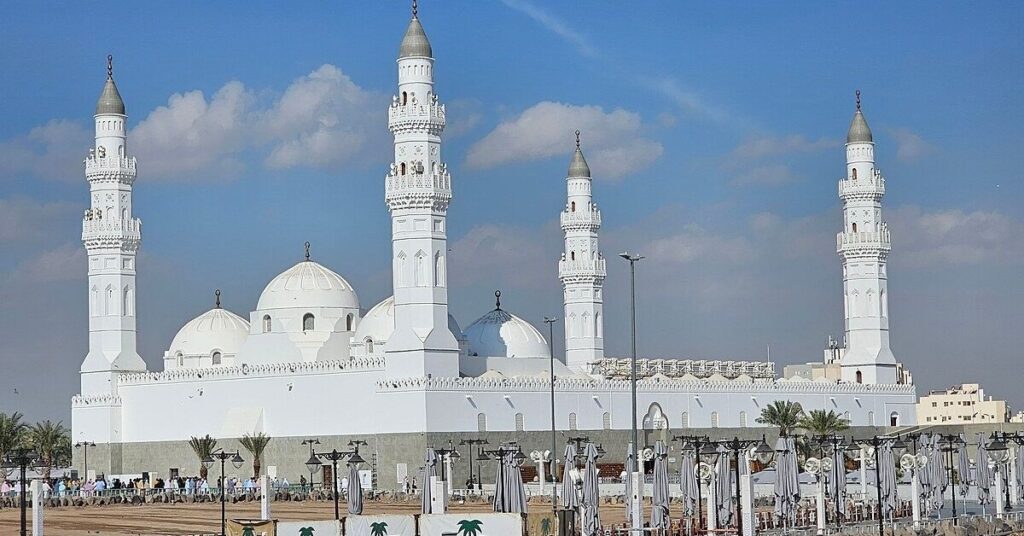
3. Masjid Quba
Masjid Quba holds a special place as the first mosque built in Islam. The Prophet ﷺpersonally laid its foundation upon arriving in Madinah during Hijrah. Praying two rak’ahs in Masjid Quba is said to carry the reward of an entire Umrah.
Indonesian pilgrims often highlight Masjid Quba in their itineraries because it combines spiritual reward with historical importance, offering both prayer and reflection.
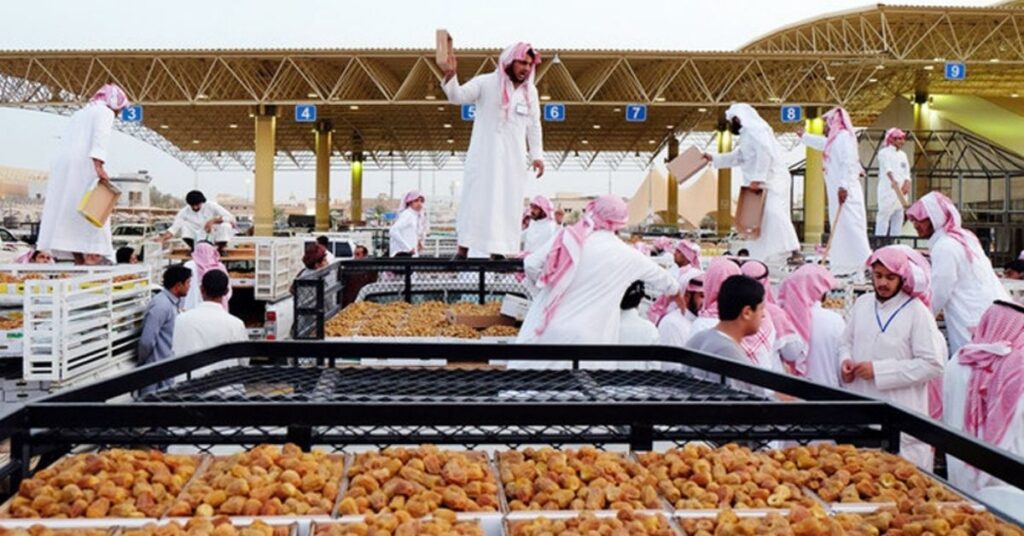
4. Garden of Dates (Madinah Date Market)
No ziyarat in Madinah is complete without visiting the Garden of Dates, also known as the Madinah Date Market. Pilgrims can see and taste different varieties of dates, including the famous Ajwa dates, which were beloved by the Prophet ﷺ.
For Indonesians, bringing dates home is a way of sharing blessings with family and friends. The market is not just a shopping stop; it is part of Madinah’s identity and heritage.
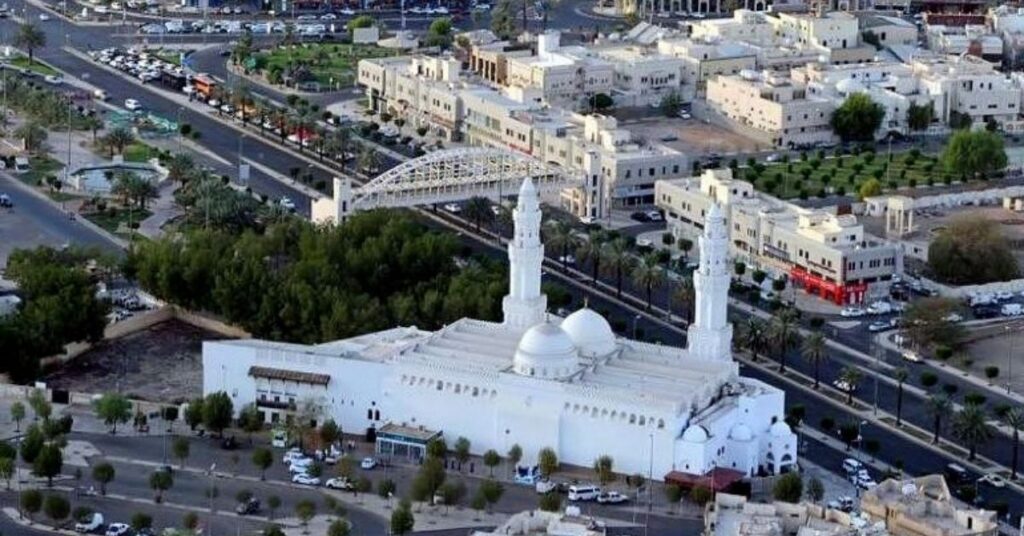
5. Masjid Qiblatain (Mosque of Two Qiblahs)
Masjid Qiblatain is where the direction of prayer (qiblah) was divinely changed from Jerusalem to Makkah. This moment marked a turning point in Islamic history, symbolizing the unity and distinct identity of Muslims.
For Indonesian pilgrims, praying here is an opportunity to remember how the early Muslim community followed divine guidance with complete submission.
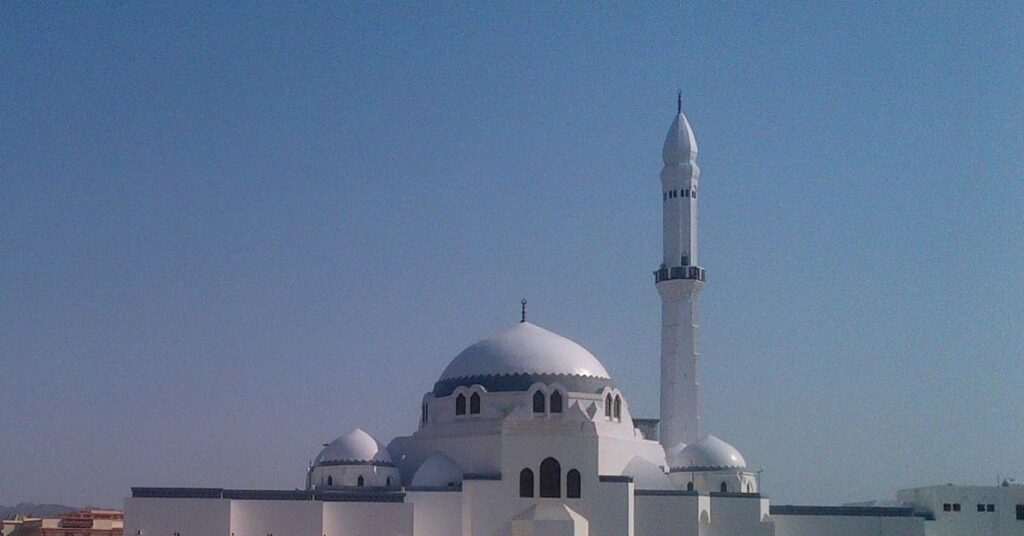
6. Masjid Juma
Masjid Juma marks the site where the Prophet Muhammad ﷺoffered his first Friday prayer (Salat al-Jumu’ah) after migrating from Makkah to Madinah.
Pilgrims visiting this mosque reflect on the importance of Friday prayers in Islam, unity of the Muslim ummah, and the continuity of a tradition started by the Prophet ﷺhimself.
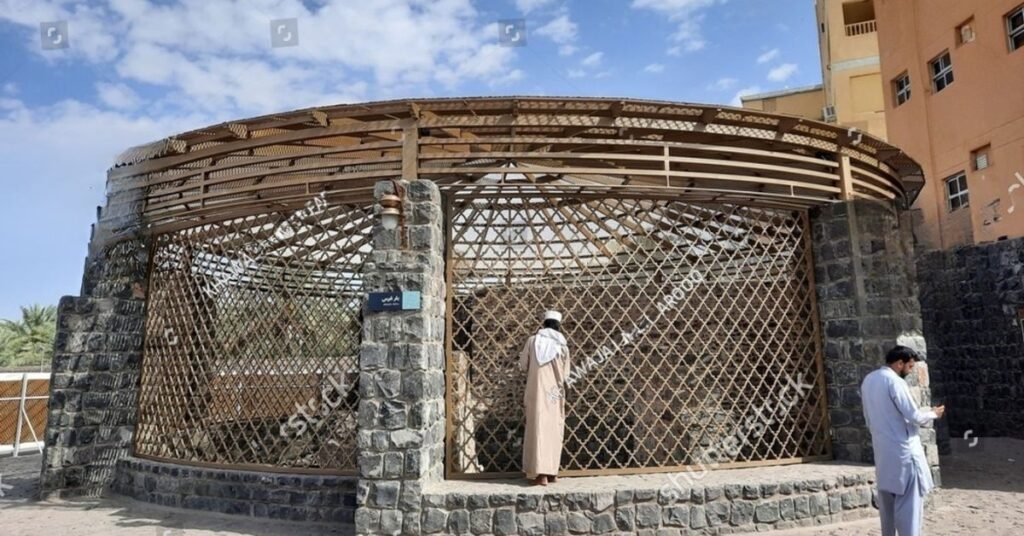
7. Ghars Well (Bir Ghars)
Ghars Well is a historic well in Madinah that the Prophet ﷺvisited and drank from during his lifetime. Some narrations mention that the Prophet ﷺwished to be washed with water from this well after the last Prophet Hazrat Muhammad ﷺleft this world and met Allah.
For Indonesians, visiting Ghars Well connects them to the daily life of the Prophet ﷺ, reminding them that even simple places like wells carried blessings in his time.
The post 7 Must-Visit Ziyarat in Madinah Every Indonesian Pilgrim Should Explore first appeared on .